Mindful Movement: Integrating Stretching and Balance into Daily Life
The Essence of Mindful Movement
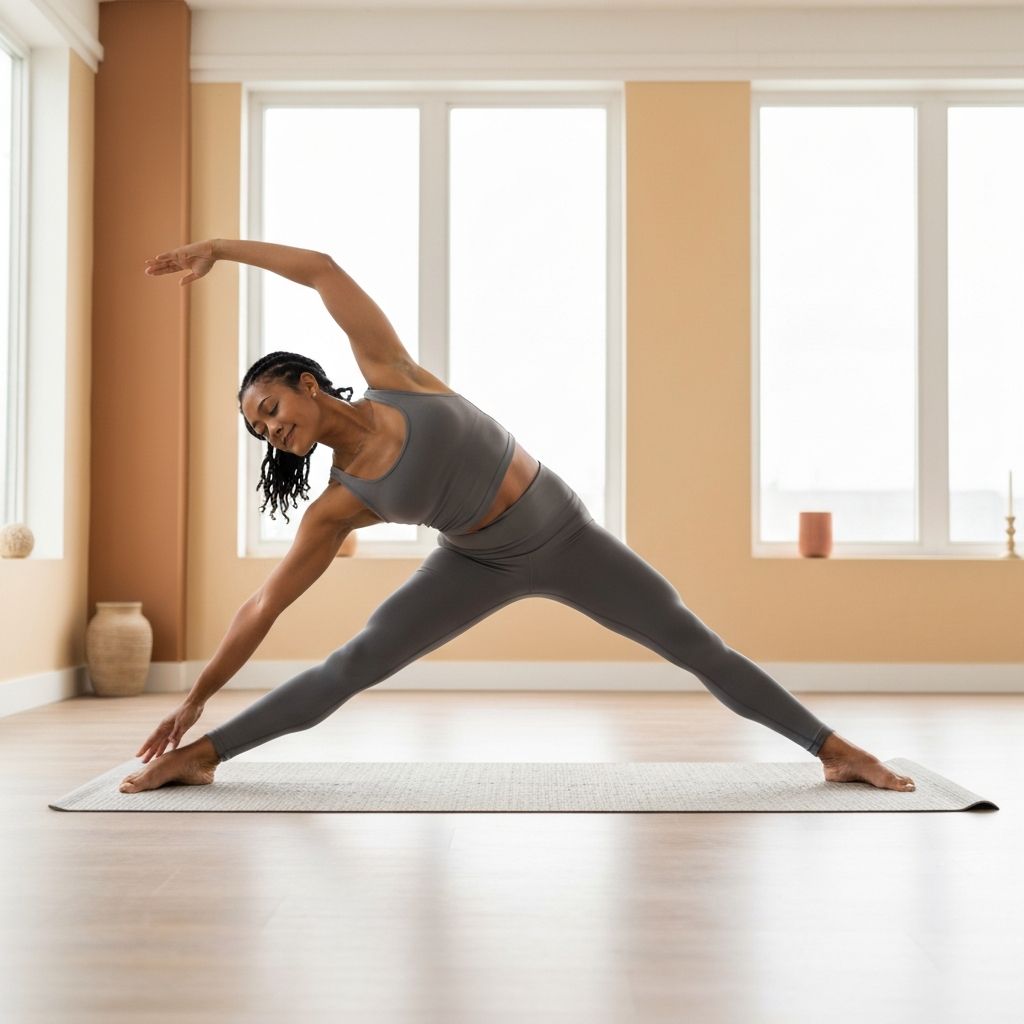
Mindful movement combines awareness with physical activity, emphasizing quality over intensity. Rather than rushing through exercises, mindful practitioners focus on body sensations, breathing, and movement patterns—creating a meditative dimension to physical practice.
This approach supports both physical benefits and psychological well-being. By cultivating attention during movement, individuals develop proprioceptive awareness and body connection that extends into daily life.
The Role of Stretching in Daily Life
Stretching encompasses multiple forms: dynamic stretches performed through movement, static stretches held in sustained positions, and ballistic stretches involving gentle bouncing. Each form serves distinct purposes within a comprehensive movement practice.
Dynamic stretching performed before activity prepares muscles and joints for movement. Static stretching after activity or during dedicated flexibility sessions supports range-of-motion development. Consistent practice gradually enhances flexibility—the body's capacity to lengthen tissues and access greater range of motion.
Practical Stretching for Everyday Movement
Neck and Shoulders: Gentle rotations and lateral stretches release tension accumulated during desk work or focused activities.
Spine Mobility: Cat-cow movements and gentle twists enhance spinal flexibility and support postural awareness.
Hip Opening: Hip circles and gentle lunges prepare the body for walking and support lower-body mobility.
Leg Stretches: Forward bends and lateral leg stretches enhance hamstring and calf flexibility.
Balance Development and Fall Prevention
Balance depends on the coordinated function of proprioceptive, visual, and vestibular systems. Balance exercises integrate these systems, improving stability for daily activities like walking on uneven surfaces or climbing stairs.
Simple balance practices include single-leg standing, weight shifting, and gentle walking patterns. These activities safely challenge the body's balance systems, supporting improved coordination and reduced fall risk across the lifespan.
Integrating Movement into Routines
Consistency matters more than intensity when building sustainable movement practices. Beginning with 10-15 minutes daily and gradually extending as comfort increases creates a foundation for long-term adherence.
Movement can be integrated throughout the day—stretching during work breaks, balance practice while brushing teeth, or walking to nearby destinations. These small movements accumulate, supporting sustained mobility and vitality.
Adapting to Individual Needs
Mindful movement adapts to individual capacity and preferences. Younger individuals might emphasize dynamic movement and strength development, while older adults might prioritize balance and functional range of motion.
The principle remains constant: consistent, gentle movement tailored to individual circumstances supports sustained physical function and well-being.
Movement Information Context
This article provides educational information about movement practices. It is not medical advice or physical therapy. For specific movement concerns or pain, consult qualified healthcare professionals.